Opiate Rehabilitation
Personalised, 24/7 Support

Holistic Rehabilitation & Aftercare
Private, Residential Centre in Birmingham
Opiates Addiction Support & Treatment
Opiates are highly addictive substances that can have a devastating impact on a person’s life.
At New Leaf, we understand how opiate addiction can take over your life. That’s why we offer private rehabilitation to help individuals overcome this addiction. We’ll tailor an innovative treatment programme that addresses your needs so you can get your life back on track.
What is Opiate Addiction?
Opiates are medications that can be prescribed by a doctor to treat pain. They have a depressant effect on the nervous system, treating acute pain, surgical pain or injury and even end-of-life care. They can also be effective in treating terminal cancer and degenerative diseases.
Although they are used for short-term treatment by doctors, when exposed to continued use, they can become highly addictive and dependent. When an opiate enters the bloodstream, it activates the opiate receptors throughout the body. Once it reaches the brain, it binds to specific opiate receptors that affect pleasure and pain relief. The stimulation of these pleasure receptors causes greater amounts of dopamine to be released, producing a feeling of euphoria and contentment. However, the brain organically produces endorphins that activate these same opiate receptors, so prolonged opiate use can disrupt the body’s natural pain and pleasure response, which leads to dependency and addiction.
If you or someone you know is struggling with opiate addiction and needs to seek support, reach out to New Leaf Recovery today.
Seek Support
Helpful Articles Related To Opiate Rehabilitation
Opiate Rehabilitation FAQ's
Why Are Opiates Addictive?
Opiates, like heroin, morphine, oxycodone, and fentanyl, are addictive because they change the way the brain experiences pleasure and pain. They flood the brain with feel-good chemicals like dopamine and serotonin, which creates intense euphoria and relief from pain and discomfort. Over time, the brain starts relying on opiates to feel ‘good’ or normal, leading to strong cravings and physical dependence, where the user loses all self-control. This combination of pleasure and physical withdrawal makes opiates especially hard to stop without professional intervention.
What Does Opiate Addiction Look Like?
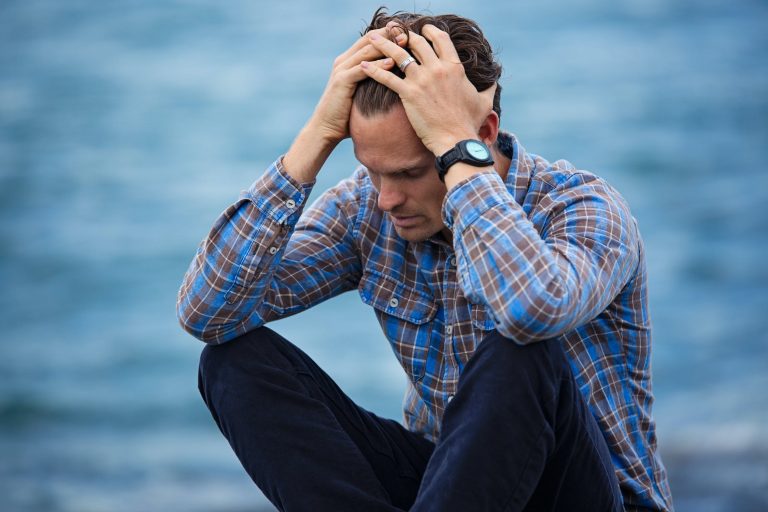
Opiate addiction can look differently for each individual, as not everyone shows the same symptoms. Physically, look out for drowsiness, slowed breathing, pinpoint pupils, and nausea. Behaviourally, someone may become secretive in their actions, show agitation due to intense cravings, and start neglecting their personal life responsibilities. Sudden mood changes like irritability, anxiety, or depression are also important to look out for. Socially, relationships may suffer, and the individual may abandon hobbies, with their daily routines becoming more chaotic.
Does Rehab Work for Opiate Addiction?
Yes—rehab is very effective when it comes to curing opiate addiction. Structured rehabilitative programmes provide the necessary medical support and therapeutic interventions to re-set and re-wire the brain after the chemical unbalancing caused by opiate abuse. At New Leaf, many of our clients have successfully recovered from opiate addiction thanks to our tailored rehabilitative therapies, including Cognitive Behavioural Therapy (CBT), 1-1 counselling, group therapy sessions, and much more—each carefully tailoured around the individual to support long-lasting recovery.
Receive a Free Call Back
"*" indicates required fields