Why Alcohol Makes Anxiety Worse the Next Day (“Hangxiety”)
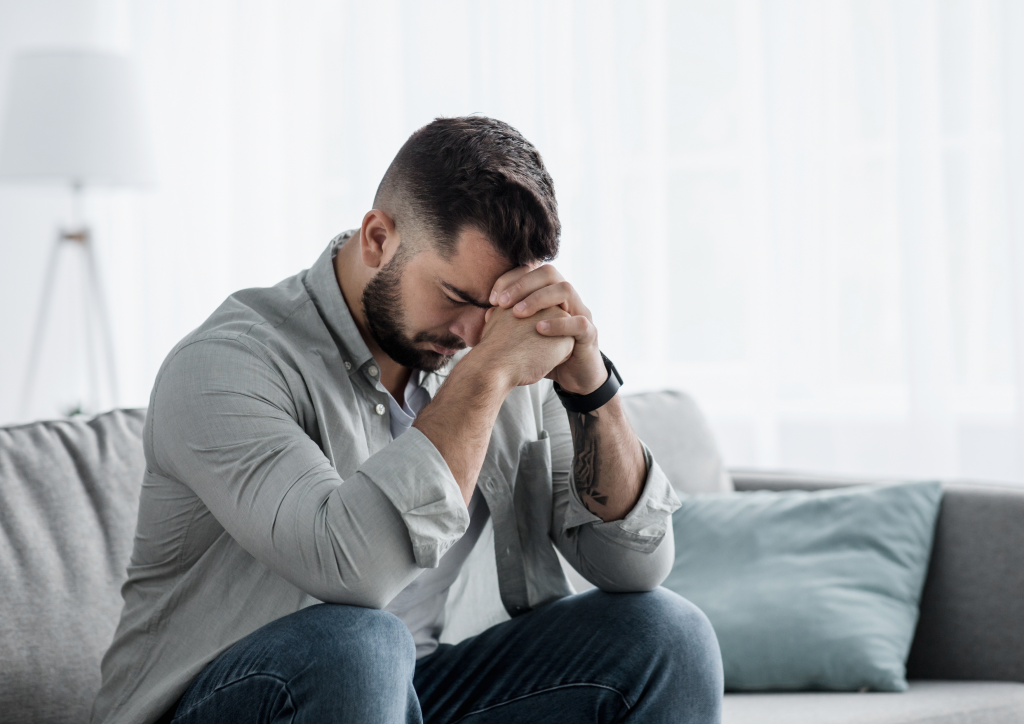
For many individuals, alcohol consumption initially provides a feeling of relaxation. For instance, a glass of wine on a stressful day or a few drinks during a night out with friends may provide a feeling of confidence or relaxation during the event. Nevertheless, the next morning often presents a different story altogether. Instead of a feeling of relaxation, individuals often wake up feeling uneasy or overwhelmed by anxiety or worry.
What Is Hangxiety?
The above-mentioned feeling is often termed “hangxiety.” This is a term used to explain the increased anxiety levels that individuals often feel the next morning after a night out or a few drinks on a stressful day. Even though it may be a bit confusing or frustrating for individuals, there are clear biological and psychological reasons for the feeling. Understanding why alcohol makes anxiety worse the next day may help individuals identify the effects that alcohol consumption has on mental health. For some people, these feelings may be a clear indication that alcohol consumption habits are starting to affect their overall health.
The most common signs or symptoms experienced when suffering from hangxiety include:
- An increased feeling of anxiety or worry
- Racing thoughts
- Increased heart rate
- Restlessness or agitation
- A feeling of dread
- Inability to concentrate
- Sleeping problems
Although hangovers are often characterised by headaches or fatigue, hangxiety is a feeling that occurs on a psychological level. Many individuals often believe that the signs or symptoms are a result of dehydration or sleep problems. Nevertheless, the relationship between alcohol consumption and anxiety is quite complex.
How Alcohol Affects Brain Chemistry
In order to understand why alcohol makes anxiety worse the next day, it is first necessary to look briefly at the way that alcohol affects the chemistry of the brain.
Alcohol affects a number of chemicals that help to control moods. One of the chemicals that is affected is GABA (gamma-aminobutyric acid). This is a chemical that helps to calm the brain by reducing neuron excitability and activity. Alcohol increases the level of GABA in the brain. This is the chemical that is responsible for the relaxed feeling that is initially experienced after drinking alcohol.
However, alcohol also affects another chemical that is a stimulant to the brain. This is called glutamate. Alcohol decreases the level of glutamate, and the combination of the two chemicals slows down the activity of the brain. This is the effect that is experienced as a result of drinking alcohol. The chemicals slow down the activity of the brain to the point that the inhibitions that people normally experience are lowered. However, the next day after drinking alcohol, the chemicals return to their normal levels. The level of GABA returns to normal, as does the level of glutamate. The result is that the brain becomes overstimulated the next day after the event, this is the cause of the anxiety experienced.
Alcohol Disrupting Sleep and Anxiety
It is a known fact that alcohol affects the quality of sleep. However, it is also known to help people to fall asleep faster. The night after drinking alcohol is a different matter. Alcohol affects the way that the body sleeps. This is particularly the case with the type of sleep known as REM (rapid eye movement), this type of sleep is important for the recovery of the brain. The less that people experience of the type of sleep, the more likely it is that the next day will be characterised by a number of unpleasant side effects. These include:
- Feeling mentally exhausted
- Feeling irritated
- Feeling emotionally sensitive
- Feeling anxious
The way alcohol impacts sleep is another key component that helps explain why alcohol makes anxiety worse the next day (“hangxiety”).
The Role of Dehydration and Physical Stress
Hangovers put the body through physical stress, which also has a part to play in anxiety.
Alcohol causes the frequent need to pass urine. This means that the body loses water at a faster rate than normal. This dehydration then leads to a number of different effects, including headaches, tiredness, and dizziness. These physical effects may also mirror anxiety.
For example:
- Racing heart from dehydration compared to a racing heart from anxiety
- Low blood sugar levels leading to irritability
- Tiredness leading to emotional instability
These physical effects then combine with the effects on the brain to explain why alcohol makes anxiety worse the next day.
Emotional Vulnerability After a Night Out
Alcohol has a number of effects on the body. It lowers inhibitions and affects judgment. This may be pleasant for a night out, but sometimes it leads to regret the next morning.
The next morning, many different things may be going through the mind. This may include regrets over things that were said or done the night before. Even if nothing particularly bad was said or done, the brain may still be searching for problems because of the high level of anxiety that alcohol withdrawal causes.
Why Some People Experience Hangxiety More Than Others
Not everyone experiences hangxiety in the same way. Some people do not notice it at all, while others experience severe anxiety from drinking even small amounts of alcohol. There are several factors that can contribute to these differences. They include:
The presence of anxiety disorders: People who suffer from anxiety disorders tend to be more sensitive to the effects that alcohol has on brain chemistry.
Drinking patterns: People who frequently consume alcohol tend to experience anxiety during their hangovers.
Genetics: People tend to metabolise alcohol differently.
Stress: People who are going through a period of high stress and emotional strain tend to notice the effects more.
For people who suffer from severe anxiety from drinking alcohol, it may be important to examine how alcohol fits in with their lifestyle.
The Warnings of Why Alcohol Makes Anxiety Worse the Next Day
It is normal for people to experience some level of hangxiety when they wake up in the morning. However, for some people, the anxiety can become severe and start to happen frequently. At such a point, the symptoms can become a warning sign that something is wrong. The symptoms include:
- The anxiety experienced feels overwhelming the day after a night of drinking.
- Drinking alcohol to cope with stress and emotions.
- The need for alcohol in order to sleep.
- Experiencing anxiety when one is sober.
- Drinking alcohol in spite of the negative effects that alcohol has on mental health.
The symptoms can be a sign that alcohol is affecting one’s emotional health in a profound way. If you or someone you love experiences these symptoms, learning more about how to overcome alcohol addiction can help make the next step towards a better life.
Breaking the Cycle of Hangxiety
For some people, the effects of hangxiety can create a vicious cycle.
They may use alcohol as a way to alleviate stress or anxiety, only to wake up the next morning with a sense of regret. The anxiety can lead them to want to drink again as a way to escape the unpleasant feelings.
However, over time, this cycle can lead to the reinforcement of unhealthy drinking habits and even make it more challenging to deal with stress without the use of alcohol.
To break the cycle, it’s possible to develop positive coping mechanisms such as:
- Exercise and physical activities
- Mindfulness or meditation techniques
- Therapy or counselling
- Better sleep patterns
When to Seek Support
If hangxiety is becoming a normal experience for you, it is worth talking to people who understand addiction and recovery. Whilst hangxiety is certainly not an indicator of addiction, it can be a sign that your relationship with alcohol may be worsening. If you notice you are drinking higher amounts of alcohol or drinking more regularly, which is precipitating your anxiety, this can be a sign that your relationship with alcohol may be shifting from occasional use towards dependency.
At this point, it’s worth talking to specialists who can assess your situation and guide you towards the right level of support. At New Leaf Recovery, we are a leading UK rehabilitation clinic that specialises in helping people overcome problems with alcohol. Rehab isn’t just for people who have “hit rock bottom”, it’s for anyone who wants to take control of their relationship with alcohol and stop worrying about what drinking does to their body and mind.
Contact New Leaf Recovery today for a discreet, confidential chat if you’re concerned that your alcohol use is becoming more habitual, and find out if you might benefit from professional detoxification, alongside our other range of professional services.
Receive a Free Call Back
"*" indicates required fields


A Complete Recovery Journey. From your initial enquiry, all the way through treatment and beyond with ongoing support, New Leaf Recovery are there to guide and support you.
New Leaf offers a complete journey of treatment, from initial detoxification and rehabilitation to ongoing support, including aftercare, family support, and beyond into long-term recovery.
Getting the right accommodation enables us to provide the right backdrop for our recovery methods. Any form of rehabilitation needs to happen in a safe, comfortable, secure and friendly environment.
Receive a Free Call Back
"*" indicates required fields